Adapting Mid-Stakes Tournament Play to Tax Thresholds in Licensed Nordic Card Networks
Elena Hughes · Jul 22, 2026
Adapting Mid-Stakes Tournament Play to Tax Thresholds in Licensed Nordic Card Networks
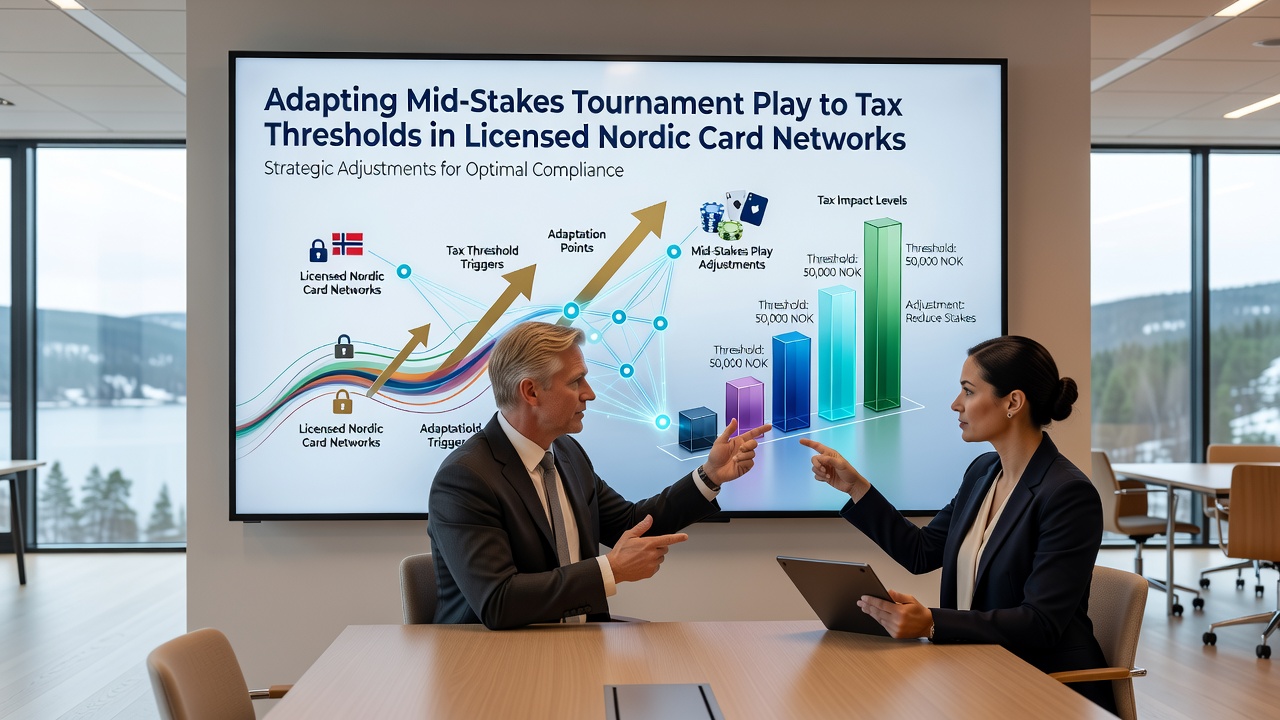
Players across Sweden, Norway, Denmark, and Finland continue to navigate licensed card networks where tax thresholds directly influence mid-stakes tournament decisions, and data from regulatory filings shows that operators must report player activity once winnings cross specific annual limits set by each jurisdiction. Those who study these markets note that mid-stakes events, typically ranging from €50 to €500 buy-ins, require careful bankroll allocation because crossing a threshold can shift net returns by 20 to 30 percent depending on the country and individual tax bracket. Research indicates that participants adjust their schedules around these cutoffs rather than chasing volume alone, since July 2026 brings updated reporting software across multiple platforms that flags cumulative earnings in real time.
Observers note how Swedish operators integrate threshold alerts into tournament lobbies, allowing players to monitor progress toward the SEK 100,000 annual reporting line while similar systems in Norway track NOK equivalents through the same shared liquidity pools. Experts have observed that Danish and Finnish networks apply progressive rates once totals exceed local caps, which forces mid-stakes grinders to diversify across borders yet remain within licensed environments to avoid unlicensed risks. Figures reveal that multi-table participants often reduce their daily volume once they approach these markers, opting instead for shorter sessions or lower buy-in satellites that keep totals below the next tax band.
Regional Threshold Structures and Reporting Mechanics
Each Nordic market maintains distinct rules that licensed networks enforce through automated systems, and data shows Sweden requires platforms to withhold and report once annual poker winnings surpass the set limit while Norway applies a flatter rate on all verified winnings regardless of frequency. Those who've examined operator compliance reports find that Denmark ties thresholds to individual tax returns rather than platform withholding, whereas Finland combines gambling income with overall earnings for progressive calculation. Players often discover that shared Nordic networks calculate these figures across borders because liquidity pools aggregate results from all participating sites, which means a single deep run in one country can push totals over multiple thresholds simultaneously.
What's interesting is how July 2026 updates standardize data exchange between regulators, making it harder for participants to overlook cumulative exposure across the region. One study revealed that mid-stakes players who previously ignored cross-border reporting now use built-in calculators to project final tax impact before registering for events, and this practice has become standard because the networks display projected net payouts after estimated deductions. Researchers discovered that the shift reduces surprise liabilities yet also alters the perceived value of certain tournament structures, particularly those with large fields where variance can spike totals unexpectedly.
Strategic Adjustments in Mid-Stakes Play
Mid-stakes specialists adapt by recalculating ROI after tax, and evidence suggests they now factor in effective tax rates when comparing buy-in levels across Swedish, Norwegian, and Danish schedules. Those who track performance data note that players reduce aggression near threshold boundaries because the marginal gain from an extra cash diminishes once additional winnings enter a higher bracket. Case examples show participants switching from high-variance MTTs to more consistent formats once annual totals approach the next reporting line, since steady smaller cashes keep them below the cutoff while still generating positive expected value after taxes.
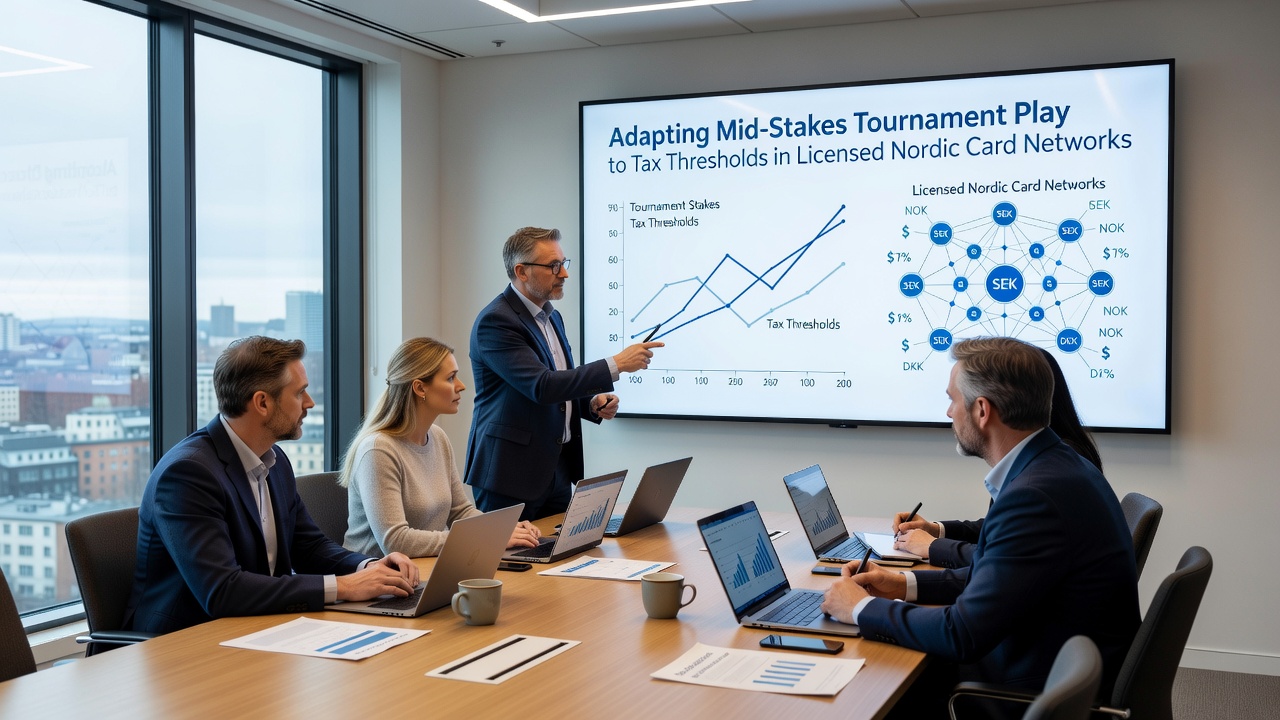
Turns out the networks themselves provide tools that display tax-adjusted leaderboards, and this transparency encourages more deliberate scheduling decisions. Observers note that some mid-stakes regulars now treat the tax threshold like an implicit bankroll cap, pausing volume once projections near the line and resuming only after the calendar resets or after consulting local tax advisors. Data from platform analytics indicates fewer late-night sessions in the final weeks of each fiscal period because participants prefer to lock in known results rather than risk crossing into higher liability territory.
Impact on Bankroll Management and Scheduling
Bankroll formulas used by mid-stakes players incorporate tax reserves as a standard line item, and studies show that those maintaining separate accounts for anticipated liabilities experience fewer cash-flow issues when filing season arrives. Researchers discovered that July 2026 compliance upgrades allow platforms to export detailed transaction histories directly into tax software, which simplifies preparation yet also highlights the cumulative effect of every cashed tournament throughout the year. Players who've adopted these exports report more accurate forecasting and fewer underestimations of total tax owed across the Nordic region.
What's significant is how shared liquidity affects scheduling because a strong run on one network can influence available events on others, and participants therefore monitor aggregate exposure rather than isolated site totals. Evidence suggests that mid-stakes specialists now coordinate their calendars around known reporting windows, choosing events that fit within remaining room under each country's threshold before the next fiscal cycle begins. This approach maintains liquidity while respecting the regulatory boundaries that licensed operators must uphold.
Conclusion
Licensed Nordic card networks continue to refine their systems for tax threshold management, and the resulting tools help mid-stakes participants align tournament volume with reporting requirements across Sweden, Norway, Denmark, and Finland. Data indicates that these adaptations have become routine as July 2026 brings further standardization, allowing players to focus on strategic decisions while accounting for the fiscal realities embedded in each jurisdiction's rules. The interplay between network design and individual planning remains central to sustained participation in the region's mid-stakes ecosystem.