How Licensing Guidelines Reshape Bet Sizing Patterns During Regulated Digital Card Competitions
Wendy Brooks · Aug 7, 2026
How Licensing Guidelines Reshape Bet Sizing Patterns During Regulated Digital Card Competitions
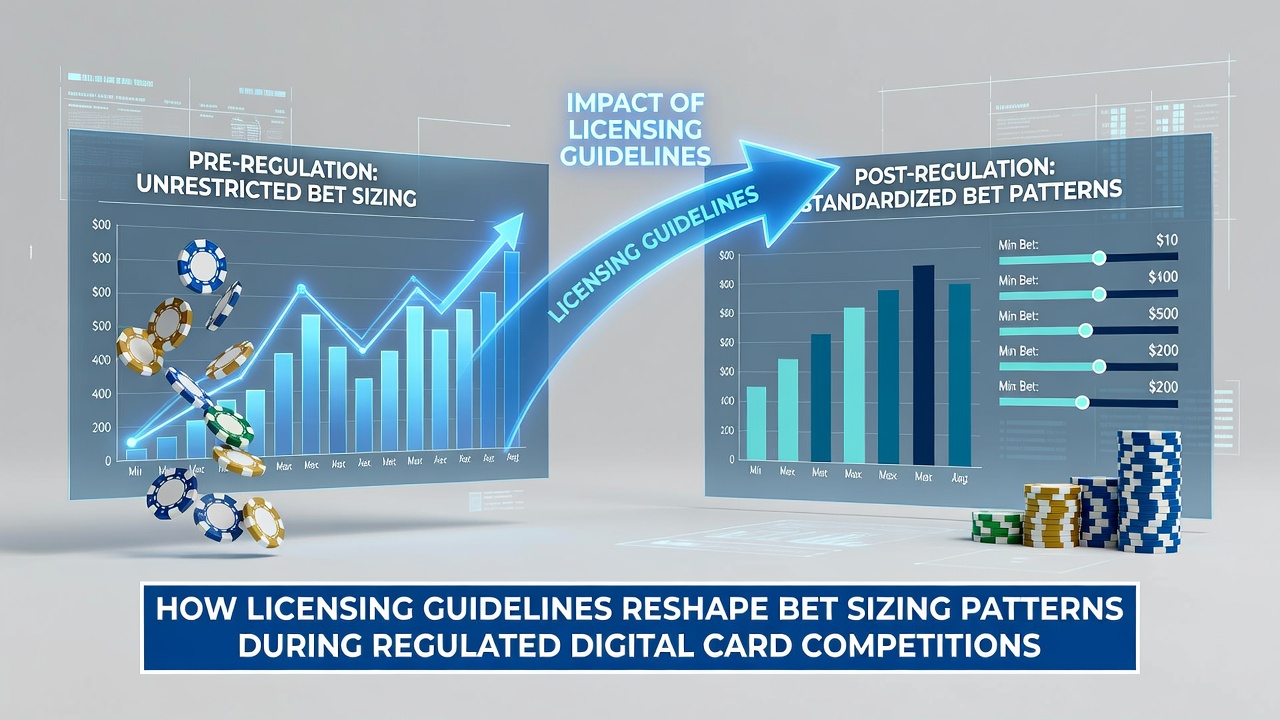
Regulatory frameworks in licensed digital card environments impose strict technical and operational standards that directly influence how participants adjust their wager amounts across tournament stages, and these standards often require platforms to implement real-time monitoring systems that flag unusual sizing sequences while maintaining certified random number generators approved by oversight bodies. Data from multiple jurisdictions shows that operators must integrate responsible gaming tools such as bet velocity trackers and session limit enforcers, which in turn prompt players to recalibrate opening raises and continuation bets to avoid automated interventions that could restrict further action.
Core Licensing Provisions Affecting Wager Mechanics
Authorities in regions including Ontario and several Australian states mandate that every licensed platform submit detailed algorithms for bet sizing validation before operations begin, and these submissions must demonstrate compliance with anti-collusion protocols that track incremental increases in chip commitments during heads-up confrontations. Figures released by the Alcohol and Gaming Commission of Ontario reveal that platforms operating under such rules recorded measurable shifts toward smaller incremental bets in early rounds after certification audits concluded in late 2025, as players adapted to visibility requirements that expose repeated large sizing as potential anomalies under continuous review.
Similar provisions appear in guidelines issued for Australian interactive wagering operators, where maximum bet multipliers tied to account verification levels force participants to spread commitments more evenly across multiple streets rather than concentrating value in single large wagers. Research conducted by academic teams at the University of Sydney indicates these multiplier caps correlate with higher frequencies of half-pot and two-thirds pot sizing in multi-table events, because full-pot or overbet lines trigger additional documentation steps that slow gameplay and increase scrutiny from compliance teams.
Platform-Level Adjustments and Player Responses
Once licensing conditions take effect, software updates typically introduce dynamic sliders that cap maximum raise sizes based on a player's verified session history, and this technical layer encourages competitors to adopt more incremental three-bet and four-bet patterns that stay beneath automated thresholds. Observers note that in events running through mid-2026, including those scheduled for resumption in August, participants on compliant networks reduced average opening sizes by measurable percentages compared with pre-licensing baselines, according to aggregated telemetry shared by several European and North American operators under mandatory reporting rules.
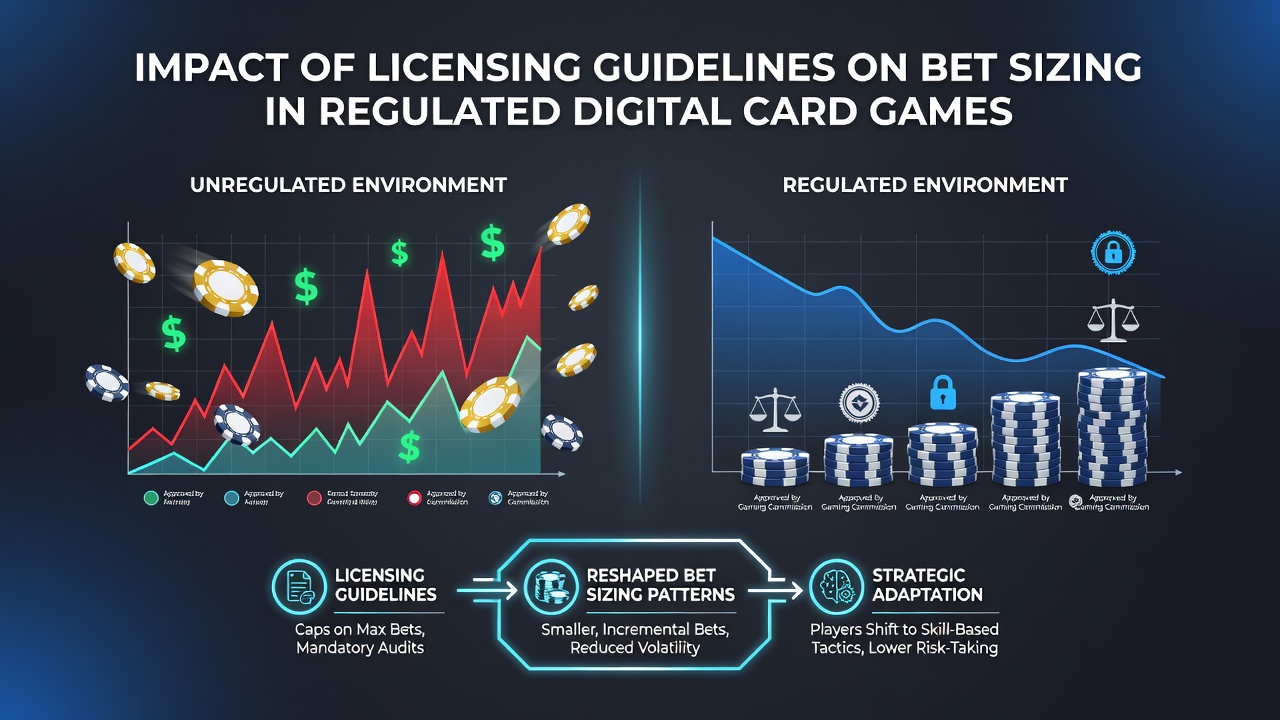
Case examples from Ontario-licensed rooms illustrate how players shifted from polarized overbet strategies toward more merged ranges once session data became visible to regulators, because large deviations from established sizing norms risked temporary account holds while verification processes completed. Industry reports further document that loyalty and bonus structures tied to licensing often reward consistent smaller sizing through rake rebates or extended play credits, reinforcing the behavioral change across large player pools.
Comparative Effects Across Jurisdictions
Canadian and Australian frameworks both emphasize transparency in bet logging yet differ in enforcement timing, with Ontario requiring pre-approval of all sizing algorithms whereas Australian state regulators conduct post-launch audits that allow quicker initial deployment followed by corrective adjustments. These timing differences produce distinct adaptation curves: operators under pre-approval models experience earlier convergence toward conservative sizing, while post-audit models see gradual tightening only after the first compliance review cycle completes. Tournament directors operating under either regime report that final table dynamics remain largely intact, although middle-stage aggression metrics show consistent compression once licensing controls activate.
Conclusion
Licensing guidelines continue to standardize technical safeguards that reshape wager patterns by embedding compliance directly into platform interfaces, and ongoing data collection through 2026 will likely clarify long-term behavioral trends across additional regulated markets. The interplay between certification requirements, monitoring tools, and player adaptation produces measurable evolution in bet sizing without altering core game mechanics, as operators and participants alike align strategies with documented regulatory expectations.