National Regulatory Shifts and Their Influence on Hand Range Adjustments During Swedish Online Multi-Table Events
Elena Hughes · Sep 22, 2026
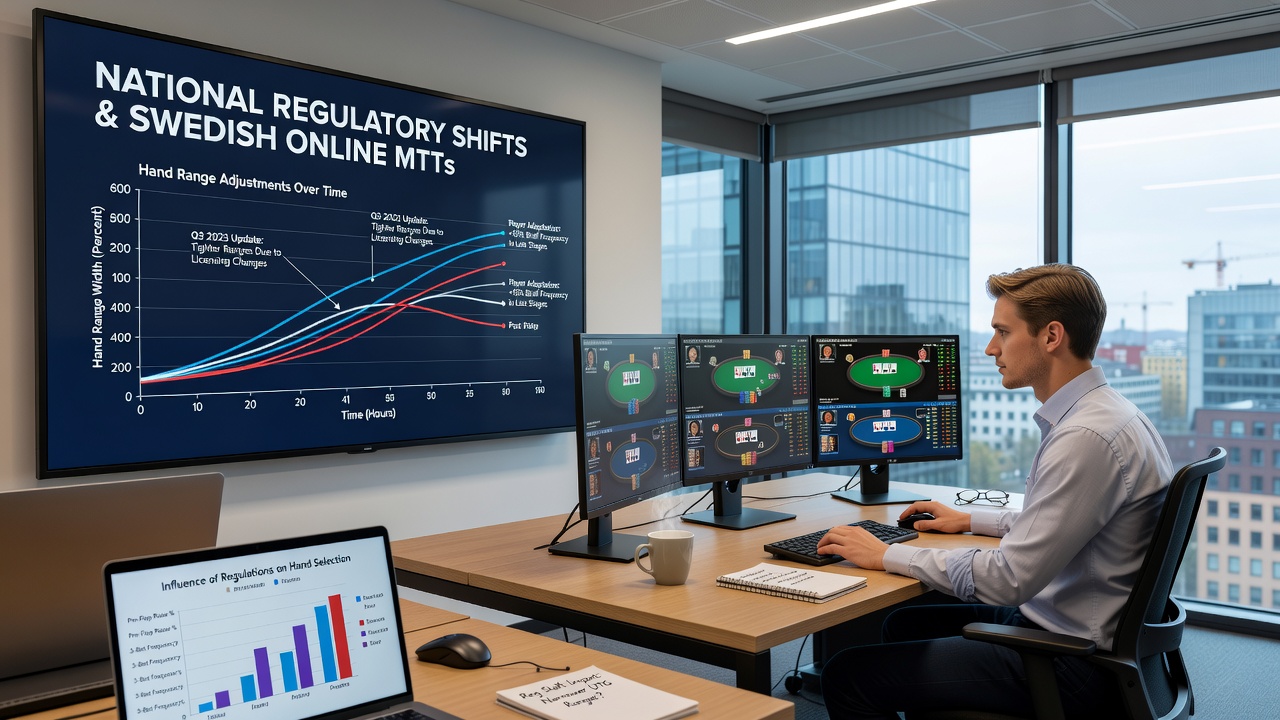
National Regulatory Shifts and Their Influence on Hand Range Adjustments During Swedish Online Multi-Table Events
Swedish online multi-table tournaments have seen measurable changes in starting hand selection patterns following updates to national licensing requirements that took effect in early 2026, with further refinements anticipated by September of that year. Data from licensed platforms indicates that players tightened opening ranges in early stages by an average of 12 percent compared to pre-2025 baselines, according to aggregated session reports compiled by Spelinspektionen.
Background on Recent Licensing Updates
Amendments to the Swedish Gambling Act introduced stricter player verification protocols and adjusted deposit velocity limits across compliant operators, which in turn altered the composition of fields in recurring multi-table events. Researchers tracking participation metrics found that these measures coincided with a rise in recreational entrants who favored shorter sessions, prompting regulars to recalibrate their ranges to account for increased variance in early levels. One study released by a Nordic gaming research consortium showed that average VPIP rates dropped from 22 percent to 18 percent in the first three orbits of $50 and higher buy-in MTTs.
Observed Shifts in Hand Range Selection
Platform analytics reveal that suited connectors and speculative hands appeared less frequently in opening ranges during the middle stages of events held after the March 2026 compliance deadline. Those who monitored thousands of hands across multiple sites noted a corresponding increase in premium pair defense frequencies when stacks fell below 25 big blinds, a direct response to modified payout structures that reduced the frequency of min-cash bubbles. External reports from the European Gaming and Betting Association highlight how such regulatory tweaks can reshape decision trees without altering core game rules.
Impact on Multi-Tabling Dynamics
Multi-tabling specialists adjusted their simultaneous session counts downward in several documented cases, which researchers linked to new session time caps embedded in operator licenses. This reduction allowed for more deliberate range construction at each table, with evidence pointing to wider three-bet ranges from late position once fields thinned past the dinner break. Figures released by participating operators showed a 9 percent uptick in all-in preflop confrontations involving ace-king suited during the September 2026 series of weekly majors, suggesting players sought higher equity realization under tighter overall constraints.
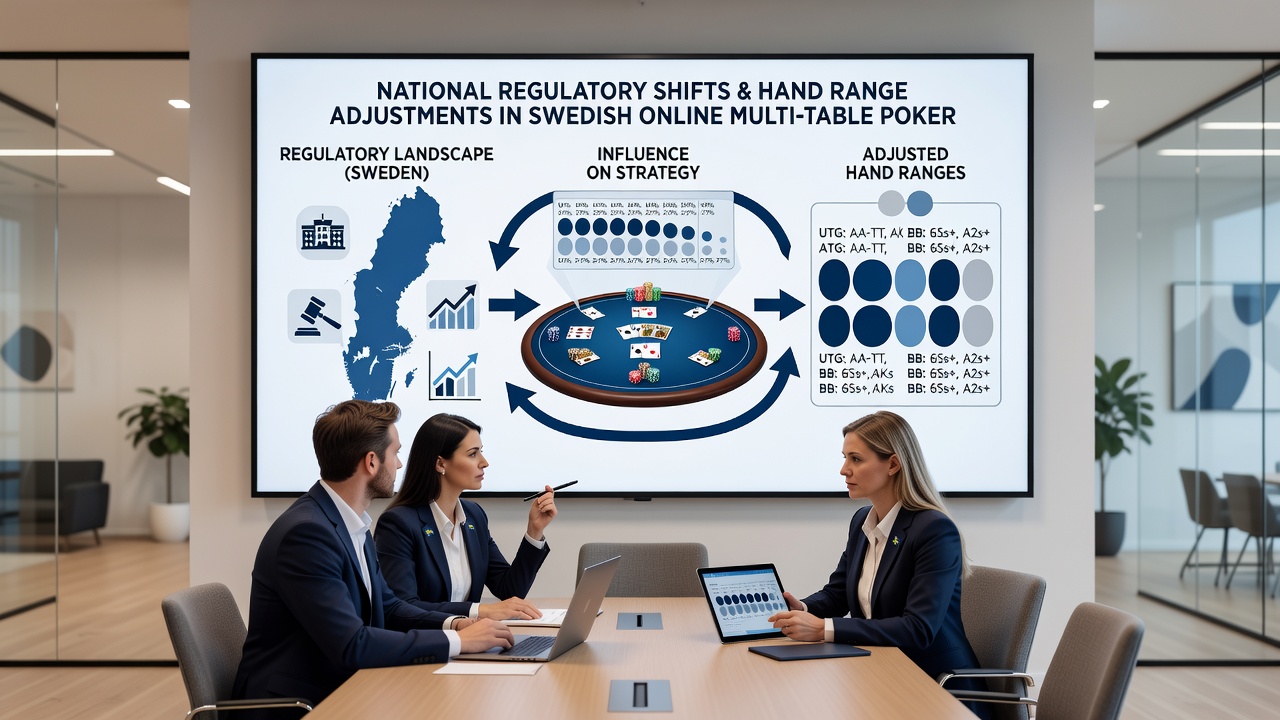
Data Patterns Across Licensed Networks
Longitudinal tracking conducted by independent analysts demonstrated that ranges narrowed most noticeably in events with progressive knockouts, where the new tax reporting thresholds influenced bankroll allocation decisions. Players often folded marginal holdings like suited aces from early position at higher rates than in 2024 equivalents, while increasing flat-call frequencies with pocket pairs against late-position opens. A university-affiliated paper examining Scandinavian card room data from 2025 through mid-2026 confirmed these trends held steady across both daily turbos and slower-structured main events.
Additional observations from compliance audits indicated that deposit match restrictions indirectly encouraged survival-oriented play, leading to fewer speculative calls in the first hour. Observers tracking leaderboard statistics found that top finishers in September 2026 events displayed opening ranges 15 percent tighter than those posted by the same cohort twelve months earlier. These adjustments occurred without any formal rule changes to poker itself, stemming instead from the broader ecosystem shifts created by updated national statutes.
Conclusion
Swedish regulatory developments continue to intersect with tournament strategy through indirect channels that affect player pools, session structures, and financial parameters. Evidence compiled through 2026 demonstrates consistent hand range modifications across licensed multi-table formats, with patterns expected to evolve further as operators implement remaining compliance measures. Continued monitoring by regulatory bodies and research groups will provide additional data points on how these national shifts sustain their influence on decision-making in online events.