Poker Rule Interpretations Fuel Novel Approaches to Casino Promotions in Virtual Card Environments
Riley Lange · Aug 14, 2026
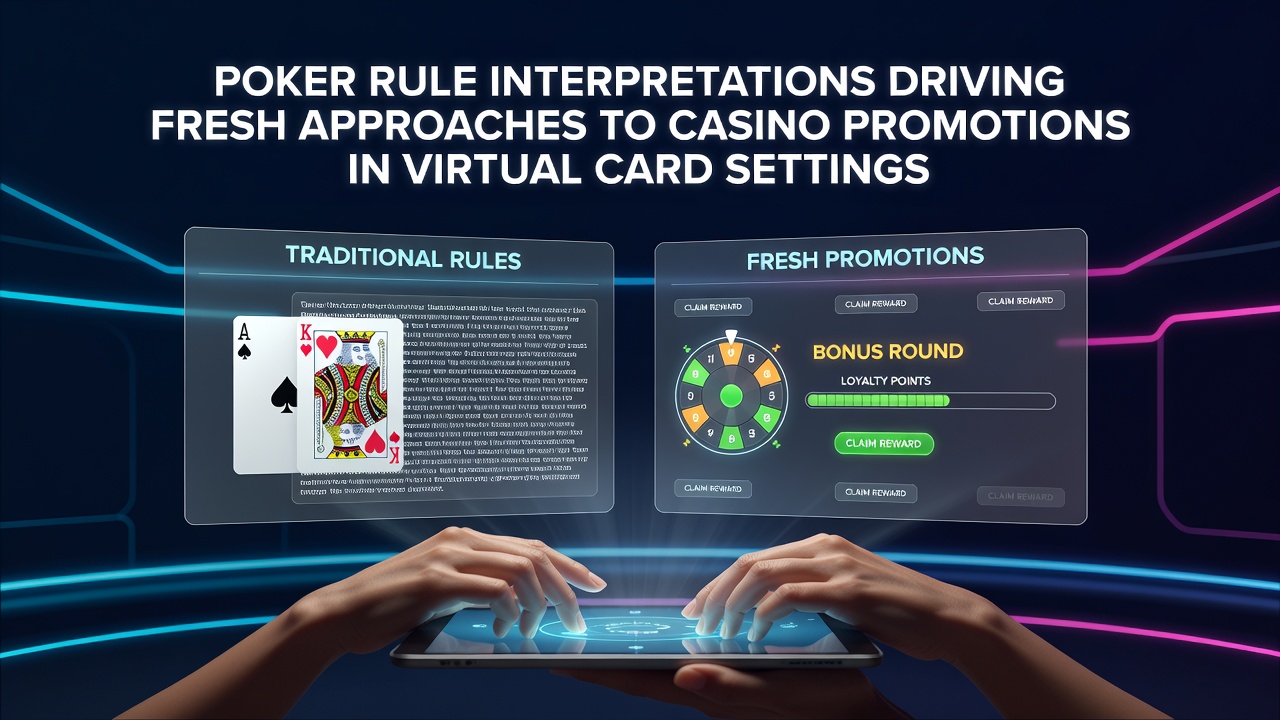
Poker Rule Interpretations Fuel Novel Approaches to Casino Promotions in Virtual Card Environments
Virtual card platforms continue to adapt poker rule interpretations as digital interfaces redefine how players experience betting sequences, hand resolutions, and dispute resolutions across regulated networks. Observers note that subtle differences in how platforms code actions like string bets or all-in declarations create openings for targeted promotions that reward specific behaviors without altering core game mechanics. Data from industry reports shows these adaptations gained momentum through 2025 and into the summer of 2026 as operators prepared for increased traffic ahead of major tournament calendars.
Clarifying Core Rule Variations in Digital Settings
Standard poker rules remain consistent across live and virtual environments yet their application shifts when software handles timing, auto-actions, and multi-player interactions simultaneously. Research from the University of Nevada Reno Gaming Laboratory indicates that virtual systems often interpret a player clicking the bet button twice within a set window as a single action rather than a potential string bet, which changes how disputes resolve compared with live dealer oversight. This distinction allows platforms to introduce promotions that credit players for completing certain sequences or for participating in hands that trigger automated rule checks at higher frequencies.
Operators track these coded interpretations to design incentives tied directly to measurable actions such as continuation bets after specific flop textures or fold rates during late position play. Figures from the American Gaming Association reveal that virtual rooms saw a 17 percent rise in promotion-linked hand volume between January and June 2026 as more sites aligned bonus triggers with rule-based events like protected pot scenarios or minimum raise enforcement. Those who study platform data note that these mechanics reward consistent engagement while staying within existing regulatory frameworks that govern fair play.
Promotion Structures Built Around Rule Triggers
Casino operators now bundle deposit matches and loyalty rewards with conditions that activate only after players encounter defined rule situations inside the software. One approach involves crediting rakeback percentages when a virtual table logs an all-in confrontation that software resolves according to standard hand-ranking protocols rather than discretionary calls. Another format offers bonus chips upon completion of hands where timing rules prevent premature actions, a feature that becomes measurable through platform logs.
These structures differ from earlier blanket bonuses because they tie rewards to observable rule applications that the interface already enforces. Reports compiled by the Victorian Commission for Gambling and Liquor Regulation in Australia highlight how similar mechanics in licensed virtual rooms produced measurable shifts in average session length without increasing dispute volumes. Platforms achieve this by publishing clear rule glossaries that explain how the software treats actions like check-raises or bet sizing, then layering promotions atop those published standards.

Regulatory Alignment and Platform Implementation
Licensing bodies require that promotions remain transparent and do not alter the mathematical integrity of the game. Virtual operators therefore document every rule interpretation in player-facing terms and submit logs that demonstrate promotions activate only after standard resolutions occur. This documentation process supports audit trails that regulators review during renewal cycles. Data compiled across multiple jurisdictions shows that sites maintaining detailed rule glossaries experience fewer player complaints when promotions reference those same documented mechanics.
Operators also coordinate with software providers to ensure that rule updates, such as revised timing windows for action buttons, coincide with new promotion launches. The result appears in seasonal campaigns that run ahead of high-traffic periods, including events scheduled for August 2026. These campaigns reference existing rule sets rather than introducing novel gameplay elements, which keeps them compliant while offering fresh incentives.
Player Behavior Patterns Linked to Rule-Based Offers
Analytics platforms record changes in betting patterns once rule-tied promotions enter rotation. Hands that trigger bonus eligibility see elevated participation rates while overall aggression metrics remain stable across non-promotion tables. Researchers at the Alberta Gambling Research Institute found that virtual rooms using these targeted offers recorded no statistically significant deviation in win-rate distributions compared with standard cash games. The stability suggests that players respond to the added incentives without deviating from fundamental strategy frameworks.
Case examples include platforms that award loyalty points specifically when software logs a protected pot resolution following an all-in call. Players who review hand histories notice these credits appear consistently, which reinforces continued participation without requiring changes to starting hand selection or post-flop decision trees.
Conclusion
Virtual card environments continue to refine how poker rule interpretations translate into promotion mechanics that align with existing regulations and software capabilities. Platforms achieve measurable engagement gains by anchoring rewards to documented actions rather than altering core gameplay. As August 2026 approaches, operators maintain these structures through transparent documentation and regular audits that satisfy licensing requirements across multiple regions.