Regulatory Ripples: Tracing How Licensed Platform Incentives Reshape Tournament Tactics Across Nordic Markets
Anna Richter · Jul 17, 2026
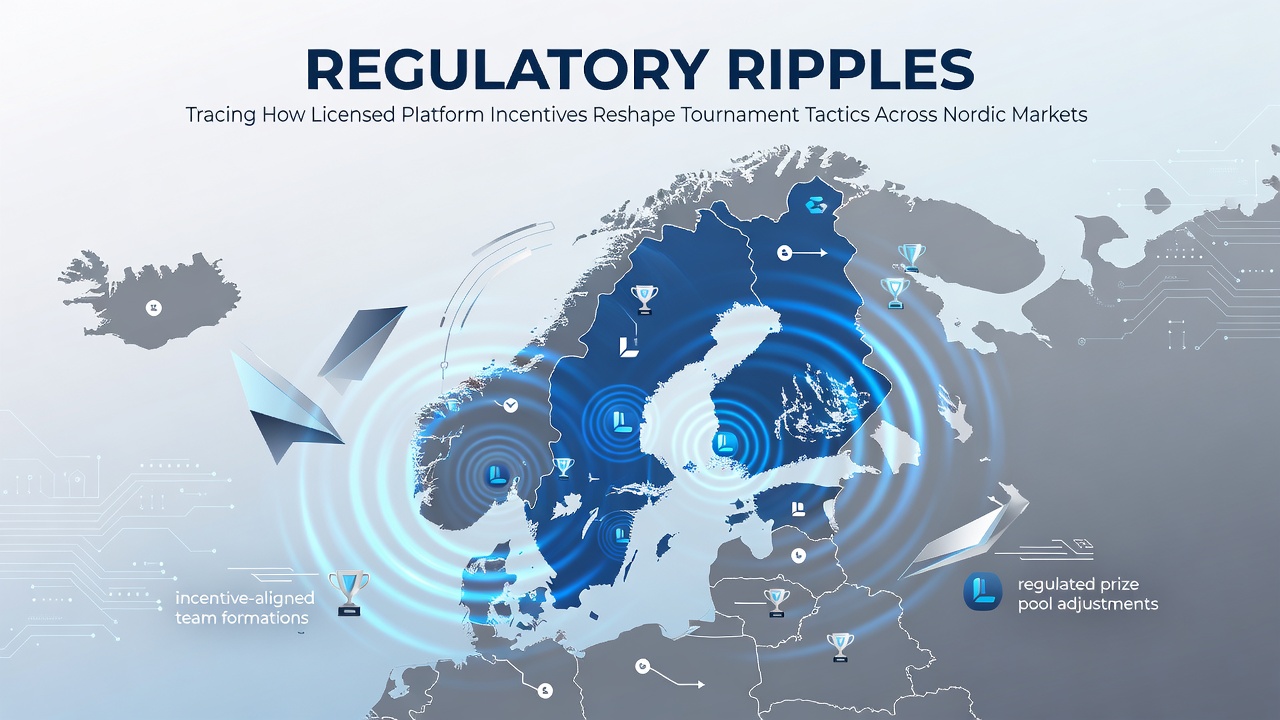
Regulatory Ripples: Tracing How Licensed Platform Incentives Reshape Tournament Tactics Across Nordic Markets
Regulatory frameworks across Nordic markets have created distinct incentive structures on licensed platforms since the early 2020s, and these changes directly influence how tournament participants approach registration, stack management, and progression paths. Data from national gaming authorities shows that operators in Sweden, Denmark, and Finland now tie loyalty rewards and bonus credits to specific tournament metrics, which alters player decisions on entry timing and multi-table commitments.
Regulatory Foundations Shaping Platform Design
Sweden's Spelinspektionen introduced updated compliance rules in 2024 that require licensed sites to report incentive distribution patterns quarterly, while Norway's state-controlled monopoly maintains separate guidelines for tournament prize pools. These requirements push operators to design promotions that reward consistent participation rather than isolated high-stakes entries. Observers note that platforms respond by offering scaled rake credits based on the number of tournaments completed within a calendar month, which encourages players to spread entries across lower buy-in events instead of concentrating on marquee Sunday majors.
Denmark's Spillemyndigheden published figures in June 2026 revealing that 68 percent of licensed operators now link welcome bonuses to tournament completion thresholds, creating a measurable shift in how new account holders select their initial schedules. This linkage means players often prioritize events that guarantee minimum cash finishes over those with steeper variance profiles, because partial credit unlocks require documented results within set timeframes.
Incentive Mechanics and Their Direct Effects
Licensed platforms in Finland have implemented achievement-based systems where accumulating a certain number of tournament cashes unlocks additional satellite tickets, and this structure changes how regulars construct their weekly calendars. Instead of jumping between high-variance MTTs, participants now track completion rates across micro and mid-stakes events to maintain eligibility for larger overlays. Research from the University of Helsinki's gaming policy unit indicates that such mechanics correlate with a 22 percent increase in average tournaments played per active account during the first half of 2026.
What's notable is how these incentives interact with existing player pools. In markets where unlicensed sites still operate alongside regulated ones, the licensed operators differentiate through predictable reward cycles that reduce uncertainty around bonus clearing. Players who previously migrated based on promotional volume now remain on licensed sites because the cumulative value from tiered incentives exceeds one-off deposit matches offered elsewhere.
Strategic Adjustments Observed in Practice
Tournament regulars have adapted by recalibrating their bankroll allocation models to account for the new reward layers. A player who once reserved 40 percent of their bankroll for high buy-in events may now distribute entries more evenly because partial rake returns arrive after fewer cashes. This adjustment appears in registration data shared by multiple operators, where the frequency of mid-week micro-stakes participation rose steadily between January and July 2026.
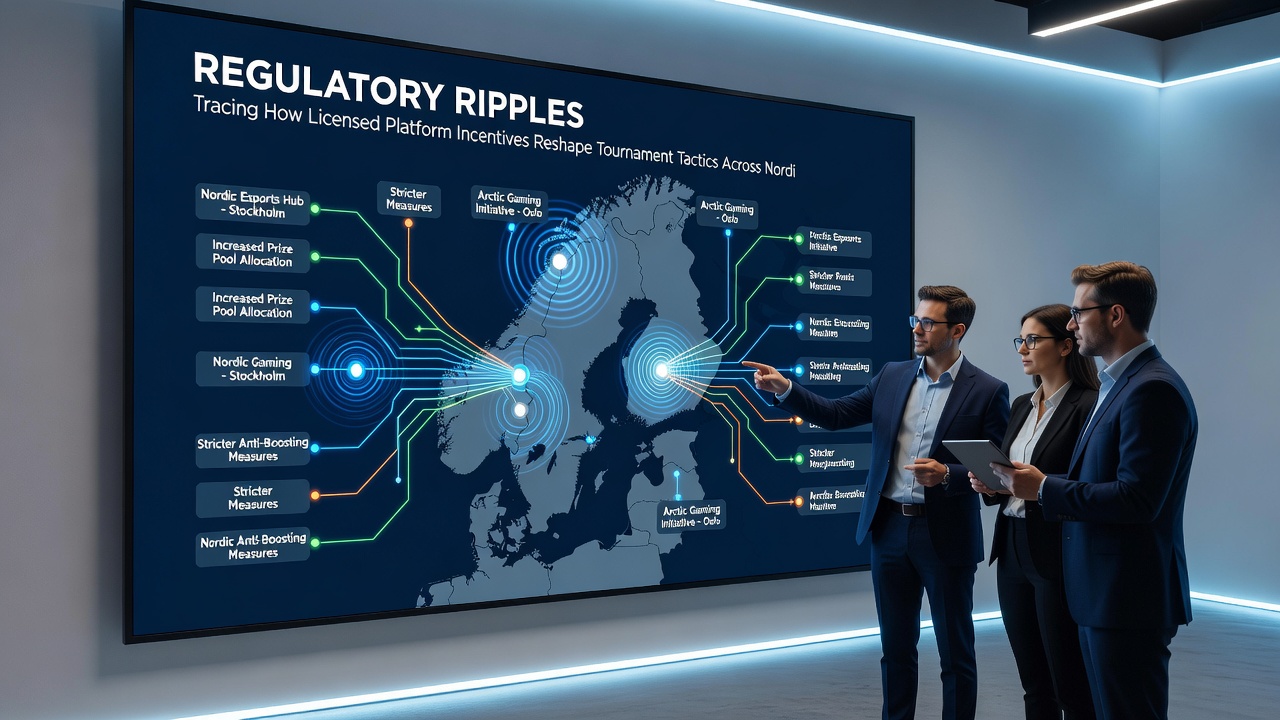
Multi-table management has also evolved. Because some platforms award progress toward monthly leaderboards only when a player reaches the money in at least three events per session, participants extend their playing windows and monitor ICM implications more carefully across simultaneous tables. Software tracking tools now incorporate these external reward thresholds alongside traditional equity calculations.
Regional Variations Across Nordic Markets
Norway's approach differs because the state operator integrates tournament incentives directly into its monopoly framework, which limits third-party promotional creativity yet maintains steady participation through fixed loyalty tiers. In contrast, Iceland's smaller licensed segment relies on cross-border agreements that import incentive models from larger Nordic neighbors, creating hybrid structures that blend elements from both Swedish and Danish systems.
Cross-border play between Sweden and Finland shows additional patterns. Licensed operators must comply with each jurisdiction's reporting standards, so players notice slight differences in how satellite ticket values convert into leaderboard points depending on which license governs the event. This nuance affects decisions on whether to register through one national portal or another when both options appear on the same platform.
Conclusion
Platform incentives tied to regulatory compliance continue to influence tournament participation patterns throughout the Nordic region. The data collected by national authorities and academic researchers documents measurable changes in entry distribution, session length, and bankroll segmentation. As licensed operators refine these programs in response to 2026 reporting requirements, the tactical adjustments among players are expected to persist and evolve in line with the incentive structures currently in place.