Swedish Gambling Regulations and Their Effects on Bonus Structures in Multi-Table Poker Tournaments
Riley Lange · Jul 29, 2026

Swedish Gambling Regulations and Their Effects on Bonus Structures in Multi-Table Poker Tournaments
Swedish gambling statutes, enacted through the 2019 re-regulation of the market, establish strict parameters for bonus offerings on platforms licensed by Spelinspektionen, and these rules directly shape how operators structure incentives within multi-table poker events. The framework requires that all promotional activities align with consumer protection measures, including limits on bonus value, wagering requirements, and eligibility criteria tied to verified player accounts. Data from the authority shows that licensed operators must report bonus distributions quarterly, which creates transparency in how incentives distribute across tournament formats.
Operators on compliant platforms often tie casino-style deposit matches or loyalty rewards to poker participation, yet statutes prohibit bonuses that encourage excessive play or target vulnerable groups. This leads to structures where multi-table tournament bonuses appear as rakeback percentages or entry-fee rebates rather than outright cash deposits. Figures from industry reports indicate that such mechanisms maintain player engagement while satisfying regulatory caps on promotional spend.
Core Provisions of the Swedish Gambling Act
The Gambling Act places responsibility on licensees to prevent bonus abuse through identity verification and spending limits, and it mandates that any bonus in poker events must derive from documented marketing budgets approved in advance. As of July 2026, Spelinspektionen continues to enforce these provisions with updated guidelines on digital verification systems that affect how quickly players access tournament incentives. Platforms respond by integrating bonus unlocks with completed tournament registrations, which aligns promotional timing with actual gameplay rather than initial deposits alone.
Statutes also require clear separation between casino game bonuses and poker-specific rewards, preventing cross-promotion that could blur product categories. Researchers tracking Nordic markets note that this separation results in distinct bonus ledgers for multi-table events, where rewards calculate based on accumulated rake rather than volume of casino wagers.
Bonus Design Adaptations on Licensed Platforms
Regulated sites adjust bonus structures by offering milestone-based rewards that activate only after players reach certain hands played or tournaments entered. This approach complies with rules against front-loaded incentives while still supporting sustained participation in events that span multiple tables. According to records maintained by the authority, such designs reduce the average bonus-to-deposit ratio across poker verticals compared with pre-2019 levels.
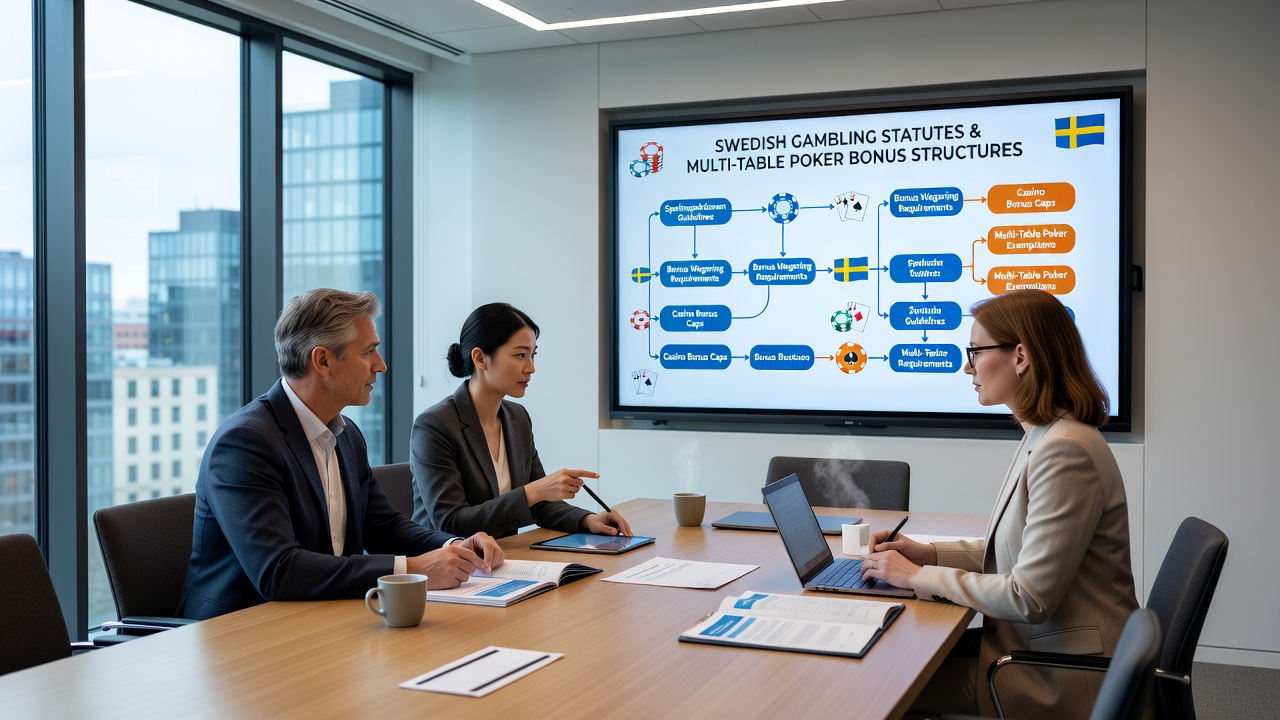
Operators further incorporate time-bound eligibility windows tied to tournament schedules, ensuring bonuses expire unless players complete required actions within defined periods. This practice reflects statutory demands for responsible marketing and creates predictable patterns in how incentives flow through scheduled multi-table series. External analyses from the Swedish Gambling Authority document these adaptations as standard compliance measures across the licensed segment.
Impact on Tournament Participation and Reward Allocation
Multi-table poker events on regulated platforms experience measurable shifts in bonus allocation because statutes cap the percentage of turnover that can fund promotions. Organizers therefore allocate rewards proportionally across entry fields, which spreads incentives more evenly among participants rather than concentrating them on high-volume players. Evidence from platform disclosures reveals that this distribution model maintains competitive balance while adhering to spending thresholds set by the regulator.
Players encounter bonuses structured as partial fee refunds or leaderboard points redeemable only within subsequent events, a format that satisfies both promotional goals and statutory oversight. The European Gaming and Betting Association has compiled regional data showing similar patterns in markets with comparable licensing regimes, where reward timing aligns closely with regulatory reporting cycles.
Compliance Mechanisms and Platform Responses
Licensed operators deploy automated monitoring tools that flag bonus usage patterns inconsistent with tournament norms, and these systems help maintain adherence to rules against bonus churning. Such tools integrate directly with poker software, logging every reward claim against individual player histories to produce auditable trails. Data shared with Spelinspektionen through these channels supports ongoing evaluation of whether bonus structures remain proportionate to actual gameplay volume.
Adjustments continue as platforms test new reward formats that meet statutory criteria, including loyalty programs scaled to cumulative tournament results rather than single-event performance. This evolution keeps incentives viable within the boundaries established by Swedish law while preserving the operational integrity of multi-table formats.
Conclusion
Swedish gambling statutes create a defined environment where casino bonus structures in multi-table poker events must operate through measured, auditable mechanisms on regulated platforms. The resulting designs emphasize proportional rewards, verified participation, and alignment with quarterly reporting obligations. As regulatory updates persist into 2026, operators maintain these adaptations to sustain compliant tournament ecosystems that balance player incentives with statutory requirements.