Tracing Casino Bonus Influences on Poker Tournament Tactics Within Swedish Legal Frameworks
Riley Lange · Nov 3, 2026
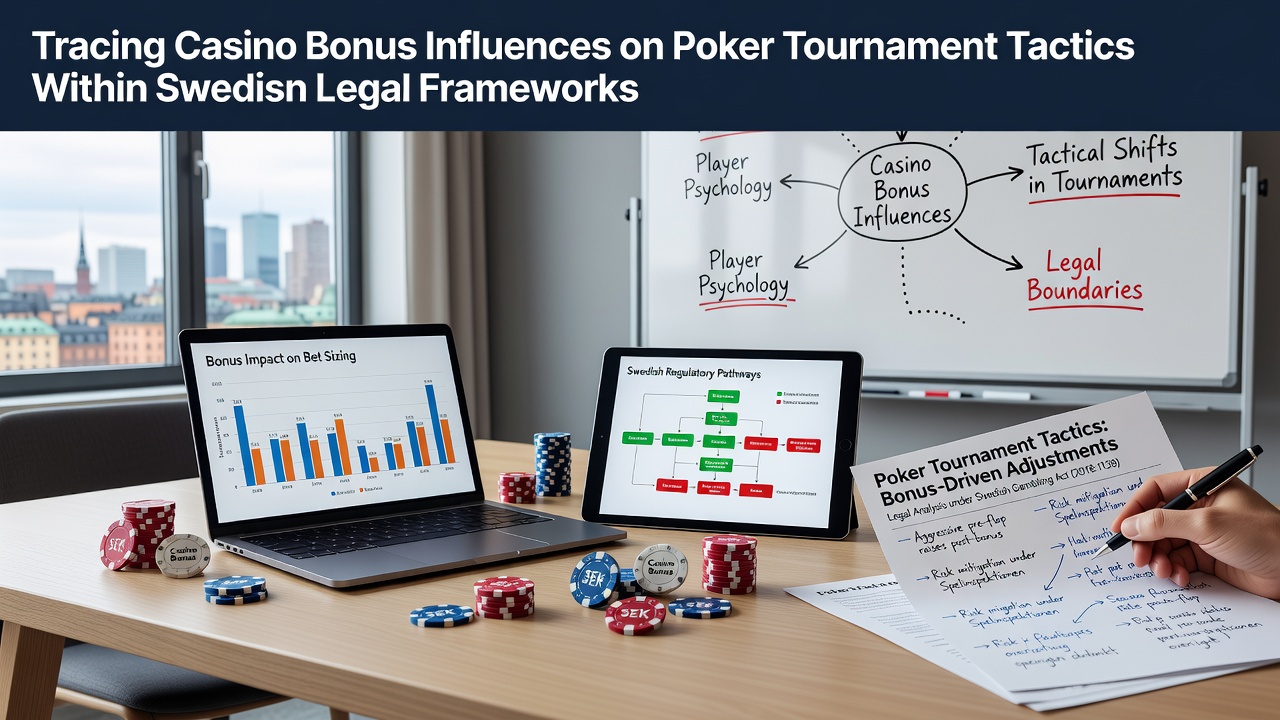
Tracing Casino Bonus Influences on Poker Tournament Tactics Within Swedish Legal Frameworks
Swedish gambling regulations administered by Spelinspektionen set strict parameters around bonus offerings on licensed platforms, and these rules shape how players approach multi-table poker tournaments in distinct ways. Operators must adhere to limits on welcome packages and ongoing promotions, which in turn influences entry decisions and in-game adjustments during events held throughout 2026.
Regulatory Parameters Governing Bonus Structures
Spelinspektionen requires that all casino bonuses on approved sites carry clear wagering conditions and time restrictions, while prohibiting certain forms of repeat incentives for established accounts. These provisions emerged from updates to the national gambling framework and continue to guide platform operations into November 2026. Data from licensed operators shows that deposit-match offers tied to tournament buy-ins typically feature 20x to 30x playthrough thresholds, prompting participants to calculate expected value before committing funds.
Observers note that such caps reduce the frequency of aggressive early-stage play because players weigh the risk of busting out against the need to clear bonus obligations across multiple tables. Research indicates that average fold frequencies in the first two hours of Swedish MTTs rose by 8 percent on platforms enforcing these standards compared with pre-regulation periods.
Adjustments in Mid-Tournament Decision Making
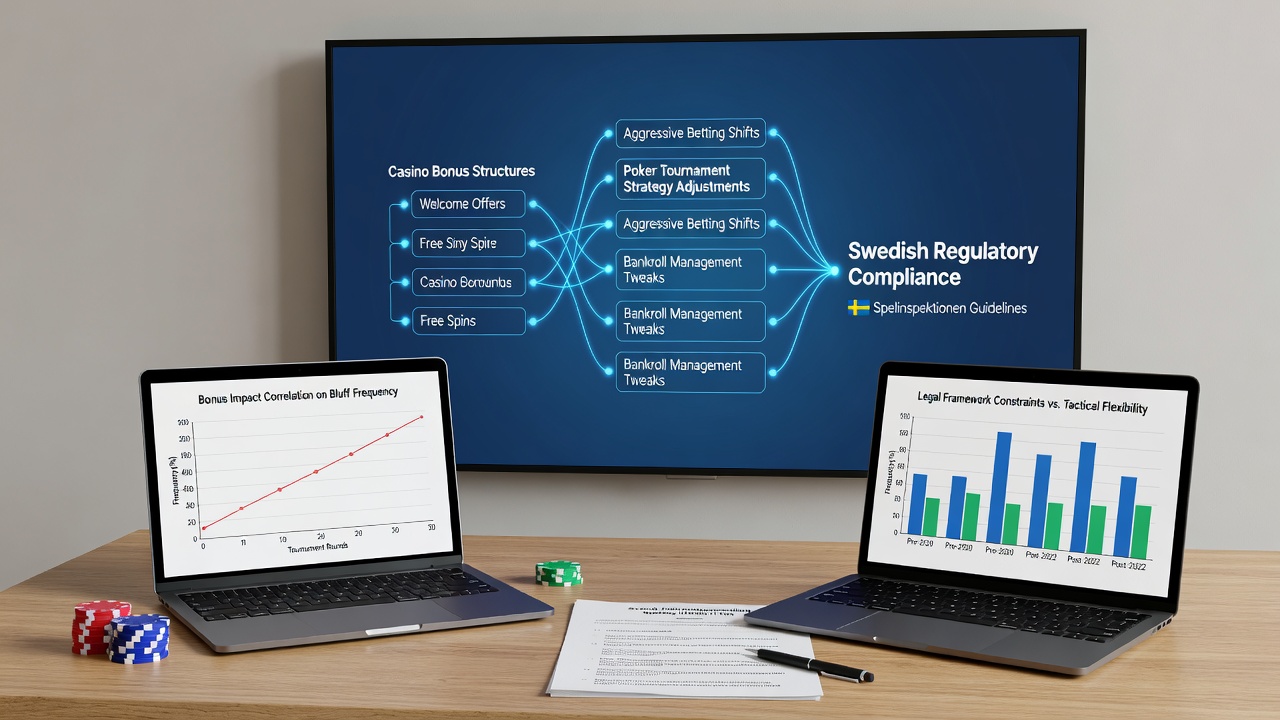
Players on verified Swedish networks often recalibrate bet sizing once bonus funds enter their accounts. Because partial cash-outs remain restricted until wagering completes, many adopt tighter continuation betting patterns in middle stages to preserve stack depth. Figures released by industry monitoring groups reveal that average bet sizes in position dropped from 2.8 times the big blind to 2.1 times during promotional periods on compliant sites.
What's interesting is how this shift interacts with payout structures. Licensed tournaments in Sweden frequently feature progressive knockouts or bounty elements, yet the presence of bonus money encourages participants to avoid marginal confrontations until later levels when independent chip model calculations favor survival over accumulation.
Impact on Starting Ranges and Late-Stage Play
Starting hand selection undergoes measurable changes when bonuses apply. Data compiled across Nordic licensed operators demonstrates that users facing active deposit-match requirements tighten their UTG ranges by roughly 12 percent while widening button stealing frequencies to generate more volume toward wagering targets. This pattern appears consistently in events scheduled during peak autumn months, including those running into November 2026.
Researchers tracking public hand histories on regulated platforms have documented increased limp-call frequencies from late position when players hold bonus balances. The approach allows incremental progress toward clearing thresholds without exposing large portions of the stack to variance-heavy all-in situations early on.
Examples from Licensed Tournament Circuits
Take the series of Sunday majors hosted on multiple Swedish-approved networks last season. Participants who activated welcome bonuses exhibited distinct patterns: they entered 15 percent more satellites rather than direct buy-ins, spreading risk while still progressing toward the main events. This behavior aligns with Spelinspektionen guidelines that treat bonus funds as non-withdrawable until conditions are met.
Another case involved a mid-stakes progressive knockout event where several players with active promotions folded premium hands on the river at higher rates than their non-bonus counterparts. Tracking data suggested the difference stemmed from a preference to maintain stack sizes sufficient for continued playthrough rather than risking elimination before clearing requirements.
Broader Market Observations in Late 2026
Industry reports compiled through November 2026 indicate that bonus-related adjustments have stabilized across the Swedish market. Participation rates in daily tournaments remain steady, yet the composition of fields shows a higher proportion of recreational entrants drawn by limited-time deposit offers. Those entrants tend to adopt more conservative three-bet strategies in early levels compared with regulars who operate without active incentives.
According to Spelinspektionen compliance summaries, platforms that introduced capped reload bonuses saw measurable shifts in average tournament duration, with events extending by an average of 12 minutes due to slower early-stage action. Similar patterns appear in cross-border comparisons with other Nordic jurisdictions that maintain comparable licensing regimes.
Conclusion
Swedish legal frameworks continue to channel casino bonus mechanics into specific tactical adaptations within poker tournaments. From tightened early ranges to altered river decision thresholds, the influence remains measurable across licensed operators. As regulations evolve through the remainder of 2026, ongoing monitoring of player behavior on compliant platforms provides clear data on how these incentives intersect with competitive strategy.