Unpacking Deposit Match Mechanics and Their Ripple Effects on Early Round Fold Frequencies in Compliant Nordic Card Rooms
Wendy Brooks · Jul 26, 2026
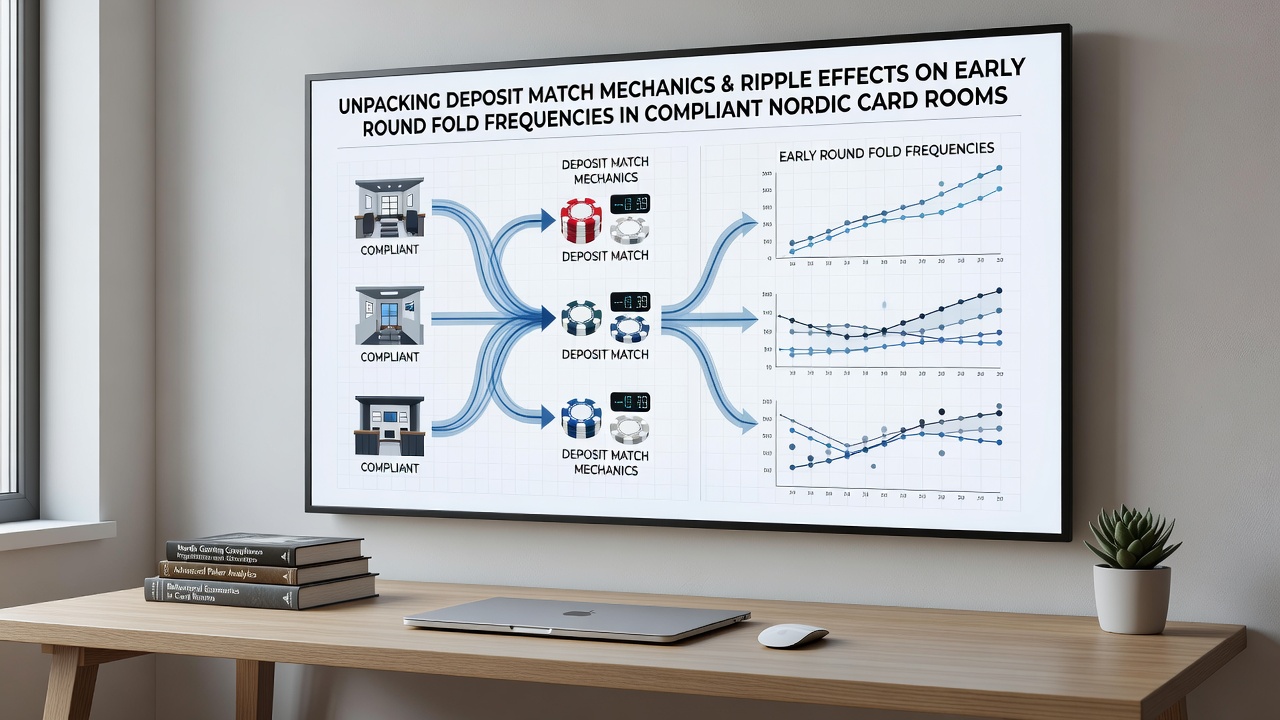
Unpacking Deposit Match Mechanics and Their Ripple Effects on Early Round Fold Frequencies in Compliant Nordic Card Rooms
Deposit match promotions operate under strict licensing frameworks across compliant Nordic card rooms where operators must align bonus structures with national gambling authorities and EU directives on fair play. These mechanics typically involve operators matching a percentage of a player's initial deposit up to a capped amount while attaching wagering requirements that dictate how much play volume players must generate before withdrawing any winnings tied to the bonus. Data from licensed platforms shows these requirements often range between 20x and 40x the combined deposit and bonus sum depending on the jurisdiction and specific operator terms.
Observers note that early round fold frequencies shift when players hold active deposit matches because the need to meet playthrough targets influences decision making at the tables. In Swedish and Danish licensed environments for instance records indicate that participants with pending bonuses exhibit adjusted aggression levels during the first several orbits of tournaments or cash game sessions. This pattern emerges because players balance the preservation of stack depth against the volume requirements that bonuses impose.
Mechanics Behind Deposit Matches in Licensed Nordic Markets
Compliant operators structure deposit matches through tiered systems where new accounts receive percentage matches on deposits while existing players encounter reload offers during promotional windows. Regulators require clear disclosure of terms including maximum bonus amounts time limits for clearing and game contribution rates that determine how much each hand or tournament entry counts toward wagering goals. Figures from the Norwegian Gaming Authority reveal that contribution rates for poker hands frequently sit at 10 to 20 percent of the rake generated which directly extends the number of hands players must participate in to satisfy conditions.
Players encounter these systems most commonly in multi table tournaments where early round dynamics set the tone for later survival. Because bonus funds cannot be withdrawn until requirements clear participants often adjust their opening ranges and continuation betting frequencies to manage variance while still generating sufficient hand volume. Research from academic studies on gambling behavior in regulated markets indicates that such adjustments appear consistently across datasets collected from Nordic platforms between 2024 and 2026.
Observed Shifts in Early Round Fold Patterns
Analysis of hand histories from compliant rooms demonstrates measurable changes in fold rates during the initial stages of events when deposit match incentives remain active. Those who have examined aggregated data note that fold frequencies in the first three levels rise by noticeable margins compared to sessions without active bonuses because players prioritize stack preservation while accumulating the required play volume. This creates a ripple effect where table dynamics tighten overall and opponents face fewer contested pots in early positions.
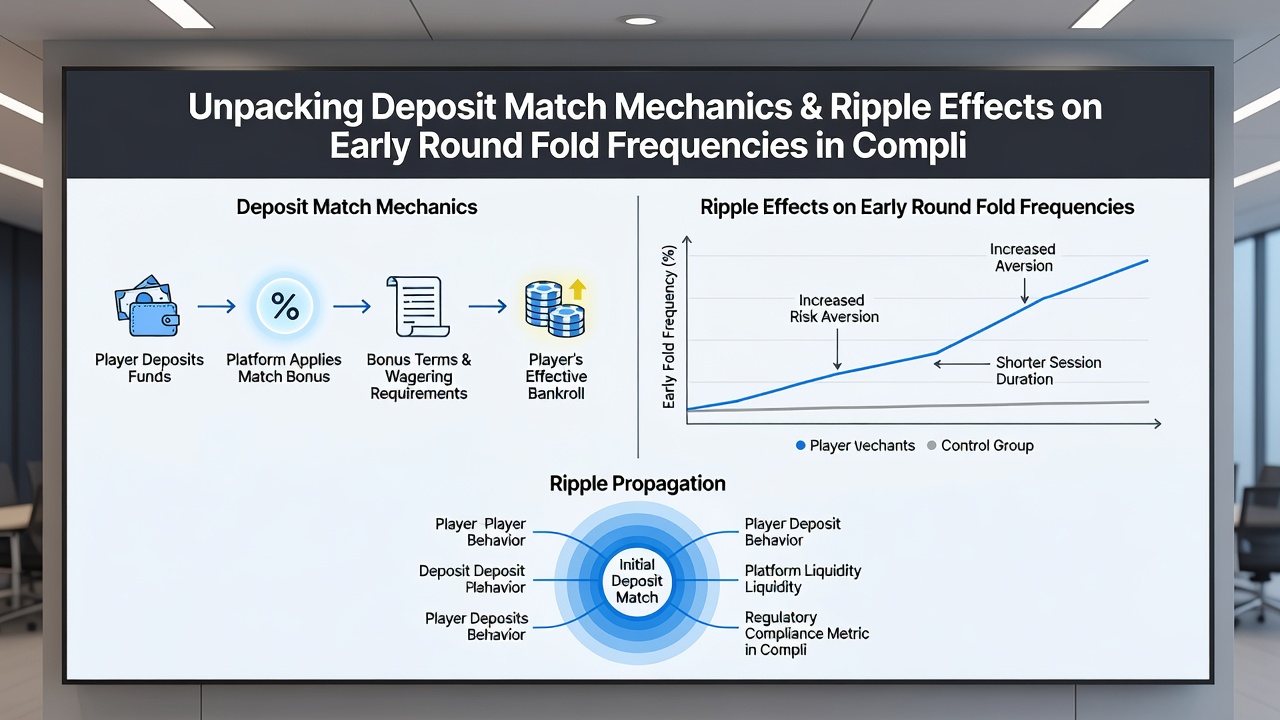
Yet the same datasets show that once playthrough thresholds near completion fold rates begin to normalize or even decrease as participants seek to maximize remaining bonus value before expiration. July 2026 updates from several licensed operators in Finland and Sweden documented these transitions through anonymized player tracking tools that capture pre and post bonus clearance behaviors. The patterns align with broader observations from industry reports on how promotional mechanics interact with tournament structures in controlled markets.
Regulatory Context and Data Tracking Across Nordic Jurisdictions
National authorities maintain oversight through mandatory reporting that includes bonus redemption rates and their correlation with player activity metrics. A 2025 study conducted by researchers at the University of Oslo examined transaction logs from multiple operators and found that early round fold adjustments occurred most prominently in mid stake events where bonus amounts represented significant portions of starting stacks. These findings appear alongside similar reports issued by Danish gambling regulators which track comparable indicators across their licensed networks.
Operators respond to these observations by refining bonus parameters such as shortening time windows or adjusting contribution percentages to moderate unintended effects on game flow. External analyses from the European Betting and Gaming Association highlight how such refinements maintain compliance while addressing player behavior patterns observed in real time data streams. Links between deposit mechanics and fold frequencies therefore receive ongoing scrutiny through both internal platform audits and external academic reviews.
Conclusion
Deposit match mechanics continue to shape early round dynamics in compliant Nordic card rooms through their influence on wagering requirements and player volume targets. Data collected across Swedish Norwegian Danish and Finnish licensed environments consistently documents shifts in fold frequencies that align with the presence or absence of active bonuses. Regulatory bodies and research institutions track these interactions to ensure ongoing alignment with fairness standards while operators adjust promotional structures based on observed trends. The result remains a measurable connection between bonus design elements and table level decisions that unfolds across the duration of individual sessions and larger tournament fields alike.